For high blood pressure · Updated October 2026
A low sodium food journal for high blood pressure
The American Heart Association’s ideal is 1,500 mg of sodium a day, and one chicken shawarma wrap carries an estimated 1,450 mg. Tell Cloche what you ate or take a photo. It estimates the sodium in each meal and shows which meals added the most across your day.
- Best for
- People cutting sodium for blood pressure who want to see which meals carry it.
- Price
- Free on TestFlight. After that, logging stays free and meal readings cost $12.99 a month or $79 a year.
Made for iPhone. First invitations via TestFlight.
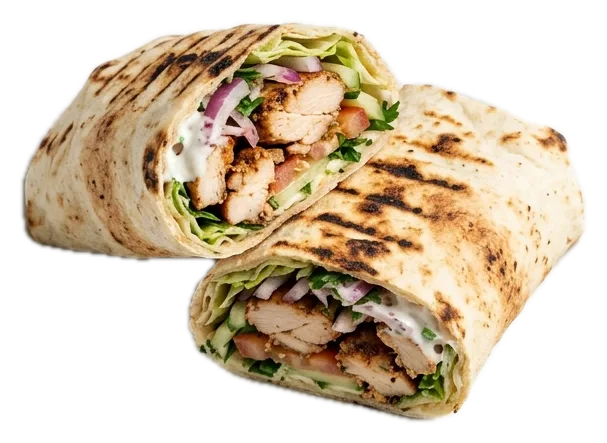
Estimated sodium · 1,450 mg sodium
Which meal contributed the most sodium?
Cloche estimates sodium in ordinary meals, then helps you find the biggest contributors in your journal. These six examples show why the meal itself is worth a closer look. Recipes and portions vary.
| Plate | Portion | Estimated sodium | Of 1,500 mg reference |
|---|---|---|---|
| Pasta with Tomato Sauce | 1 plate | 2,576 mg | 172% |
| Pad Thai | 1 plate | 2,320 mg | 155% |
| Chicken Burrito | 1 burrito | 2,267 mg | 151% |
| Ramen | 1 bowl | 1,848 mg | 123% |
| Burrito Bowl | 1 bowl | 1,710 mg | 114% |
| Pepperoni Pizza | 2 slices | 1,670 mg | 111% |
Estimates from Cloche’s food data, compared with the demo’s 1,500 mg sodium reference. These amounts are not measurements of your meal.
Understand the estimate. Check the target.
This demo compares estimated sodium with a 1,500 mg daily reference and estimated potassium with a 3,500 mg reference. They show how Cloche puts a meal in context. They are not personal recommendations.
The American Heart Association recommends no more than 2,300 mg of sodium a day, with an optimal goal of no more than 1,500 mg for most adults. Sodium is the nutrient on food labels; salt and sodium are not the same amount.
Your clinician can advise which nutrient targets fit your circumstances. Cloche helps you read the food record. It does not decide those targets or tailor them to medication.
Say what you ate. Cloche reads the sodium back to you.
If searching for every ingredient keeps you from logging meals, start with a sentence. Say “had the shawarma wrap,” or take a photo. Cloche creates an entry you can review and correct.
See estimated calories, protein, carbs, fat and 26 nutrients, including sodium. A tracker would add the wrap to a total. Cloche reads it for your blood pressure as it lands, then answers questions about the meals behind the day. We check the estimates against USDA reference foods. They remain estimates.
Your doctor may be watching more than one number. Cloche reads the same plate for cholesterol and blood sugar as well.
To check one meal right now, without the app, try the free sodium calculator.
Advice helps you plan. Your journal helps you look back.
-
Dailya reading at homeA blood pressure cuff
A cuff reads the pressure itself, which no food journal can do.
-
Freeto download, 4.5 starsSodio, My Dash Diet
Look a food up and log its sodium. Built around the one nutrient, and many people already keep the routine.
-
$0often, with insuranceA dietitian
Individual nutrition guidance, with someone who can help you make a plan.
-
Freeno app, no notebookRemembering it yourself
You know roughly what you ate. The amounts are the part that slips, and a week later so does the meal.
-
Freefood guidanceA food list
The DASH pattern, printed and stuck on the fridge.
-
$79a year, or $12.99 a monthCloche
A sentence or a photo becomes an entry, and it comes back read for what you are watching.
Other prices as listed on 6 September 2026; a year figure is the listed monthly price multiplied by 12. App Store ratings from the iTunes lookup on 12 September 2026. Cloche is free on TestFlight while we build, and nothing charges yet. Keep your doctor and your dietitian; Cloche is the part between visits. Comparing apps? See five sodium tracker apps side by side and how the DASH diet apps compare.
A food estimate. A clearer record.
Cloche describes the food you log and estimates its nutrients. Those estimates are not measurements of your meal or predictions of your blood pressure.
Your readings, treatment and individual targets belong in a conversation with your clinician. Cloche does not ask about your medication.
Free on TestFlight while we build, then $12.99 a month.
Cloche is on TestFlight by invitation and free while it is. After that, logging stays free and meal readings will be $12.99 a month, or $79 a year. Nothing charges yet.
Join the waitlist for an invitation to describe a meal, review its nutrient estimate and ask a question about it. Your invitation comes from [email protected].